
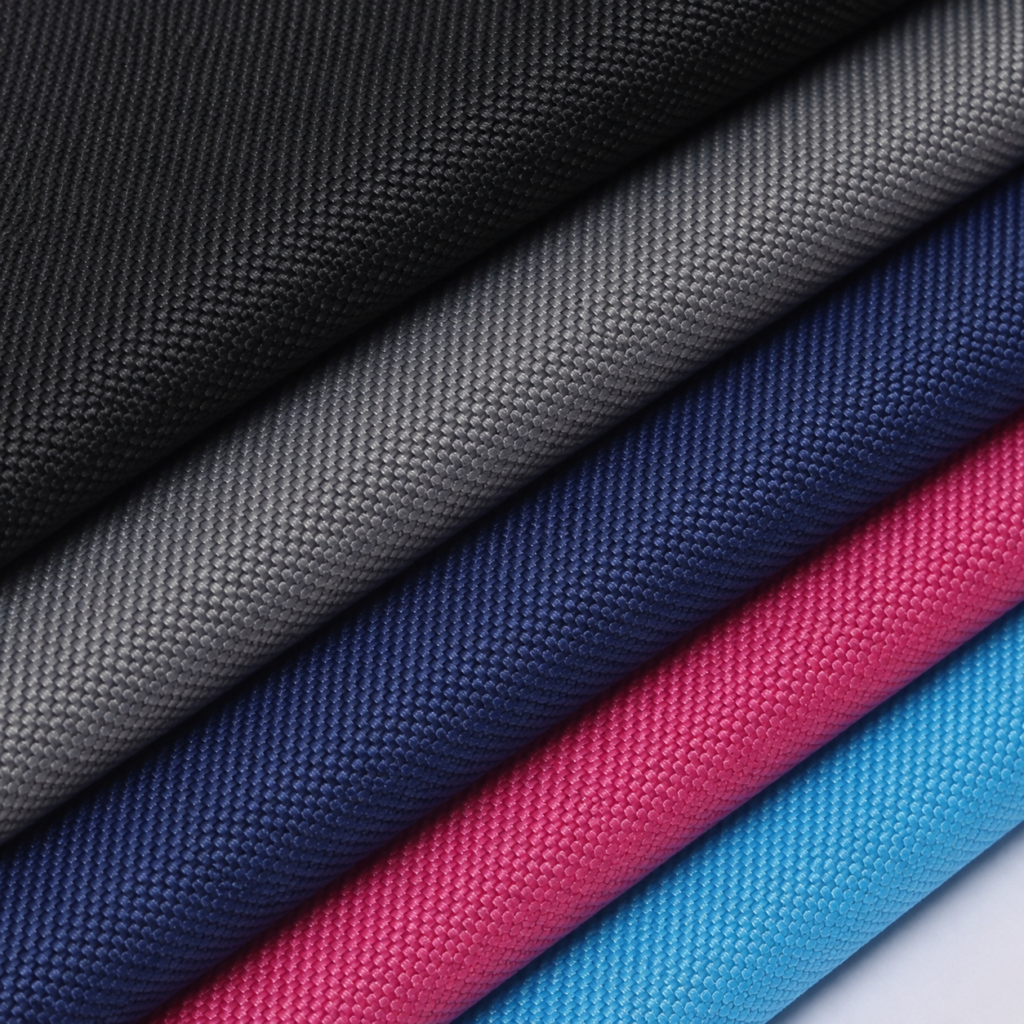
Oxford fabric is one of the most widely used materials in the textile industry due to its durability, versatility, and cost-effectiveness. From outdoor furniture covers and protective equipment covers to backpacks and luggage, Oxford fabric has become a preferred choice for manufacturers and consumers around the world.
In this article, we will explore what Oxford fabric is, its key features, common types, and how to choose the right specification for your application.
What Is Oxford Fabric?
Oxford fabric is a woven textile typically made from polyester or nylon yarns. It features a basket-weave structure that creates a durable and resilient material suitable for a wide range of applications.
Most Oxford fabrics are treated with PU (Polyurethane) or PVC (Polyvinyl Chloride) coatings to enhance water resistance and weather protection, making them ideal for outdoor use.
Key Features of Oxford Fabric
Excellent Durability
Oxford fabric is designed to withstand daily wear and tear. Higher denier fabrics such as 600D and 1680D offer exceptional resistance to abrasion and tearing.
Water Resistance
With PU or PVC coatings, Oxford fabric provides reliable protection against moisture, rain, and outdoor conditions.
Lightweight and Flexible
Despite its strength, Oxford fabric remains lightweight and easy to handle, making it suitable for covers, bags, and outdoor products.
UV Resistance
Many Oxford fabrics are treated to resist ultraviolet radiation, helping extend the lifespan of outdoor products.
Easy Maintenance
Oxford fabric can be easily cleaned with a damp cloth or mild detergent, making it a practical choice for everyday applications.
Common Types of Oxford Fabric
210D Oxford Fabric
A lightweight material commonly used for dust covers, storage bags, and promotional products.
420D Oxford Fabric
Offers a balance between weight and durability, making it ideal for furniture covers, appliance covers, and outdoor accessories.
600D Oxford Fabric
One of the most popular choices for backpacks, luggage, BBQ covers, and outdoor furniture covers due to its durability and versatility.
600D Ripstop Oxford Fabric
Features a reinforced grid pattern that prevents tears from spreading, making it suitable for heavy-duty applications.
1680D Oxford Fabric
A premium heavy-duty material known for exceptional strength and abrasion resistance. Frequently used for industrial covers and high-performance luggage.
Oxford Fabric Coatings
PU Coating
PU-coated Oxford fabric offers flexibility, lighter weight, and good water resistance. It is widely used for furniture covers, bags, and outdoor products.
PVC Coating
PVC-coated Oxford fabric provides superior waterproof performance and enhanced durability, making it ideal for demanding outdoor environments.
Common Applications
Oxford fabric is widely used in:
- Outdoor furniture covers
- BBQ grill covers
- Oven covers
- Fan covers
- Air conditioner covers
- Generator covers
- Backpacks
- Luggage
- Storage bags
- Pet products
- Industrial protective covers
How to Choose the Right Oxford Fabric
When selecting Oxford fabric, consider the following factors:
- Durability Requirements – Choose higher denier fabrics for heavy-duty use.
- Weather Exposure – Select PU or PVC coatings for outdoor applications.
- Weight Considerations – Lighter fabrics are easier to handle and transport.
- Appearance Requirements – Cationic, honeycomb, or glossy fabrics offer premium visual appeal.
- Budget – Balance performance and cost according to your project needs.
Conclusion
Oxford fabric continues to be one of the most versatile and reliable materials for protective covers, bags, and outdoor products. Whether you need lightweight protection or heavy-duty performance, there is an Oxford fabric specification suitable for your application.
Understanding the differences between various deniers, coatings, and fabric constructions will help you choose the right material and achieve the best performance for your products.